
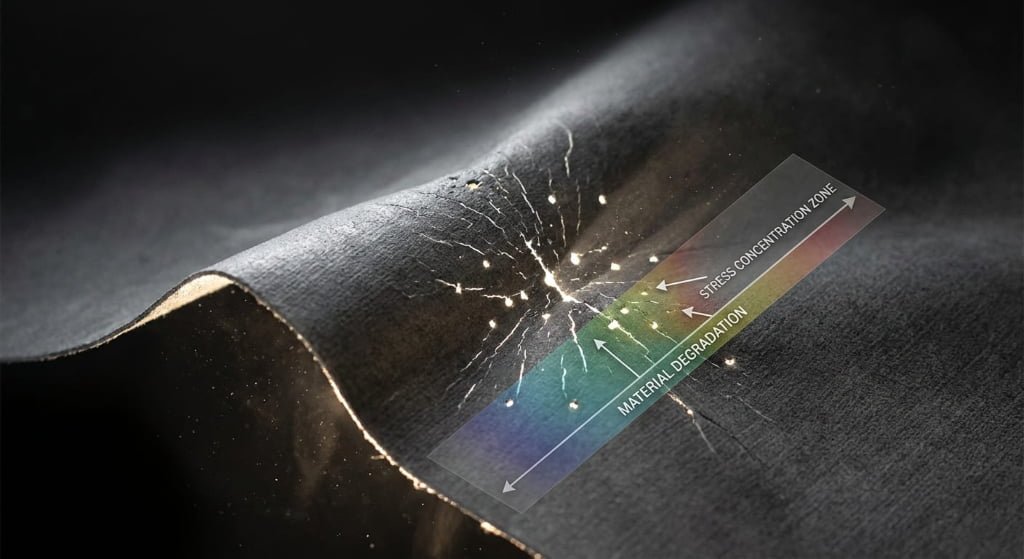
Confused about PU versus TPU for your project? Choosing the wrong one can lead to costly failures and delays. The key is matching the material to your specific application.
Thermoplastic Polyurethane (TPU) is a specific class of Polyurethane (PU).1 The main difference is that TPU is a thermoplastic, meaning it can be melted and reprocessed.2 This gives it superior durability, elasticity, and processing consistency compared to traditional thermoset PU3, which is often a liquid coating.
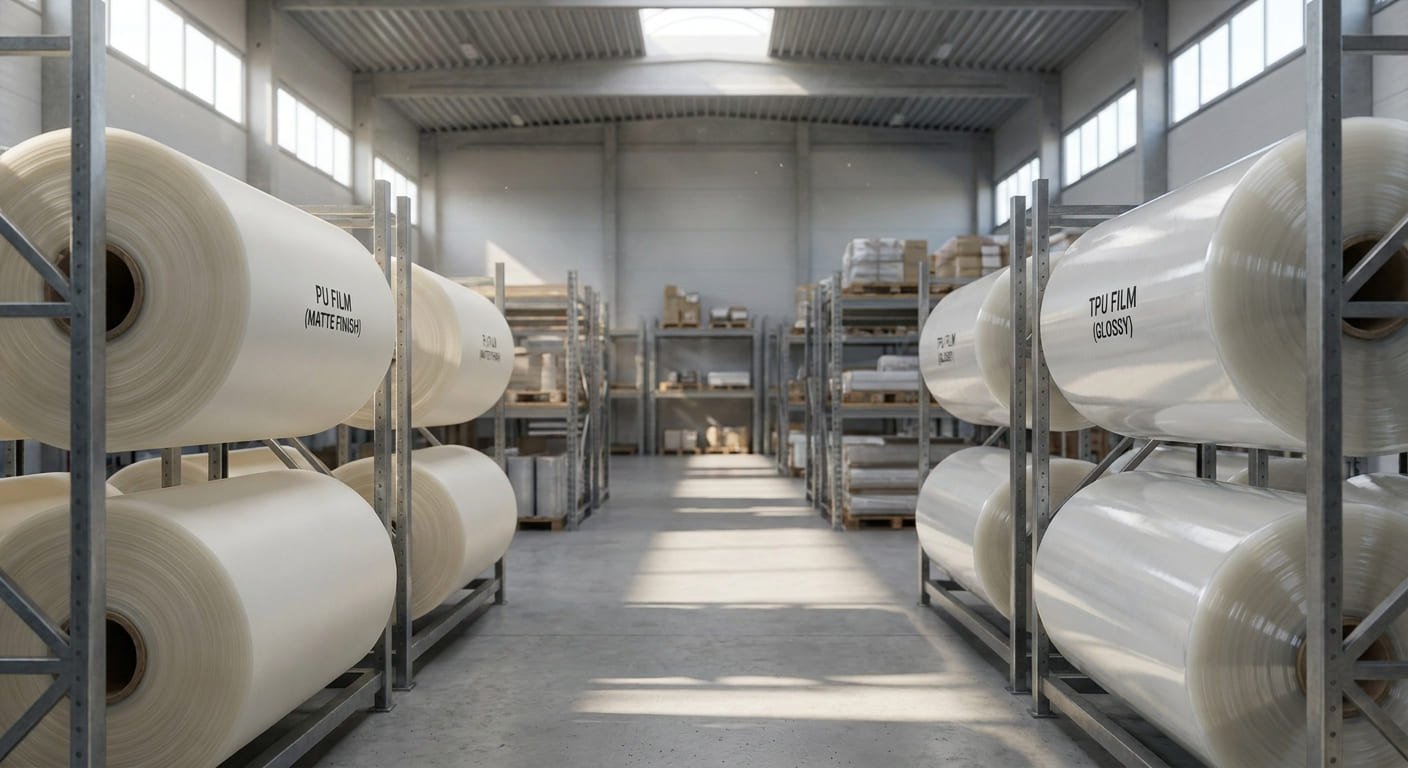
In my 17 years in this industry, I've seen the "PU vs. TPU" question cause a lot of confusion. Many buyers come to us asking for one or the other without first defining what their product needs to do. They are often treated as interchangeable, but they are not. This confusion can lead to sampling the wrong material, production headaches, and even product failure down the line. To make the best choice, you first need to understand the fundamental differences in their forms and capabilities. Let's break it down so you can select the right material with confidence.
Are PU Coating, PU Film, and TPU Film the Same Thing?
People often use "PU" as a catch-all term. This creates problems because it can refer to very different materials. Let's clarify the three main forms you'll encounter.
No, they are very different. A PU coating is a liquid polymer applied to a fabric.4 A PU film is a separate, solid sheet of material.5 A TPU film is a high-performance, thermoplastic solid film. Knowing the form—coating or film—is your first critical decision.
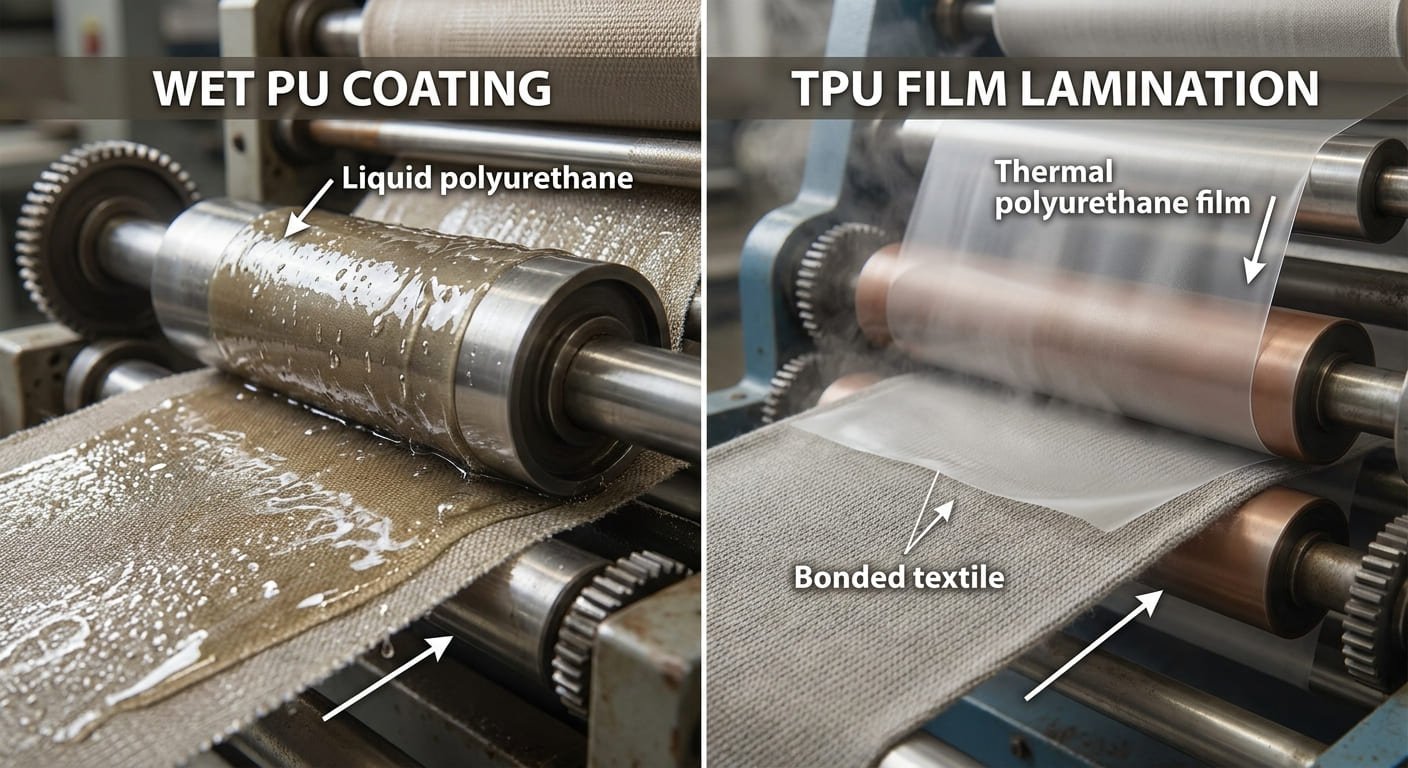
When a customer sends an inquiry for a "PU fabric," my first question is always about the structure. Are they looking for a fabric that has been coated with a liquid polyurethane, or do they need a textile laminated with a separate, solid film? The answer changes everything. A coating is bonded directly during a liquid process, while a film is manufactured separately and then bonded to a substrate using heat or adhesive6. From a manufacturing perspective, these are entirely different worlds. Understanding this distinction is the foundation for a successful project.
Here is a simple breakdown we use to help our clients clarify their needs:
| Feature | PU Coating | PU Film (Thermoset) | TPU Film (Thermoplastic) |
|---|---|---|---|
| Form | Liquid applied to a substrate | Solid, pre-made sheet | Solid, pre-made sheet |
| Processing | Cured onto fabric | Laminated with adhesive | Laminated with heat (thermal bonding) |
| Feel | Can be very soft, sometimes sticky | Varies, can be less flexible | Excellent flexibility and soft touch |
| Use Case | Fashion rainwear, lightweight tents | Some bags, upholstery | Outdoor gear, medical, automotive |
Is TPU Always Stronger and Better Than PU?
You have probably heard that TPU is the superior material. This belief can lead you to over-spec and over-pay for an application that does not need it. Let's look at where each one truly excels.
Not always. TPU has superior abrasion resistance, tensile strength, and low-temperature flexibility7, making it ideal for demanding products. However, a PU coating can provide a softer feel or be more cost-effective8 for applications where extreme durability is not the primary concern.
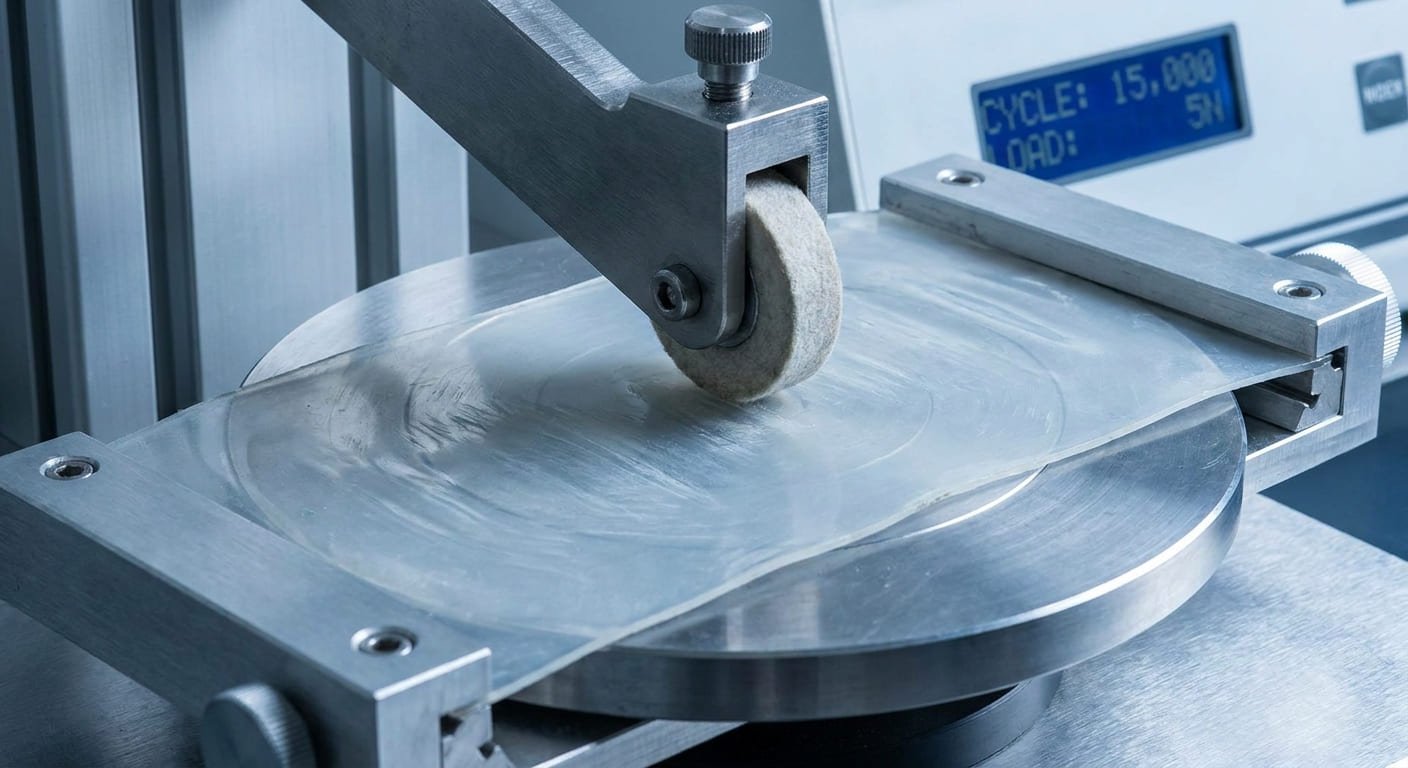
In our material selection discussions, we often challenge the idea that "stronger is always better." The real question is, "How much strength does your product actually need?" For a high-frequency welded inflatable product or the bladder of a hydration pack, the exceptional durability and weldability of TPU film9 is non-negotiable. Its performance justifies the cost. But for a simple promotional tote bag or a decorative textile, a standard PU coating might be perfectly adequate and more budget-friendly. Choosing TPU where it isn't needed is like paying for a race car to drive to the grocery store. It works, but it's not the most efficient choice. We guide our customers to find the balance between performance and cost.
Here's how they generally compare in key performance areas:
| Performance Metric | TPU Film | PU Coating / PU Film | Why It Matters for Your Application |
|---|---|---|---|
| Abrasion Resistance | Excellent | Good to Fair | Crucial for backpacks, footwear, and automotive seats. |
| Elasticity & Rebound | Excellent | Moderate | Important for apparel, stretchable fabrics, and inflatables. |
| Hydrolysis Resistance10 | Excellent (Polyether type) | Fair | Essential for products used in humid climates or that require washing. |
| Low-Temp Flexibility | Excellent | Poor to Fair | Critical for outdoor gear used in cold weather, like tents or skiwear. |
How Do You Choose Between PU and TPU for Your Application?
Choosing a material based on its name alone is a gamble. This approach often leads to failed samples and production problems. A much better way is to match the material to the job.
Focus on your product's performance needs first. For a waterproof mattress protector, you need hydrolysis resistance and washability. For blackout curtains, opacity and flame retardancy are key. For automotive parts, UV stability and abrasion resistance are critical.11 Define the requirements, then select the material.
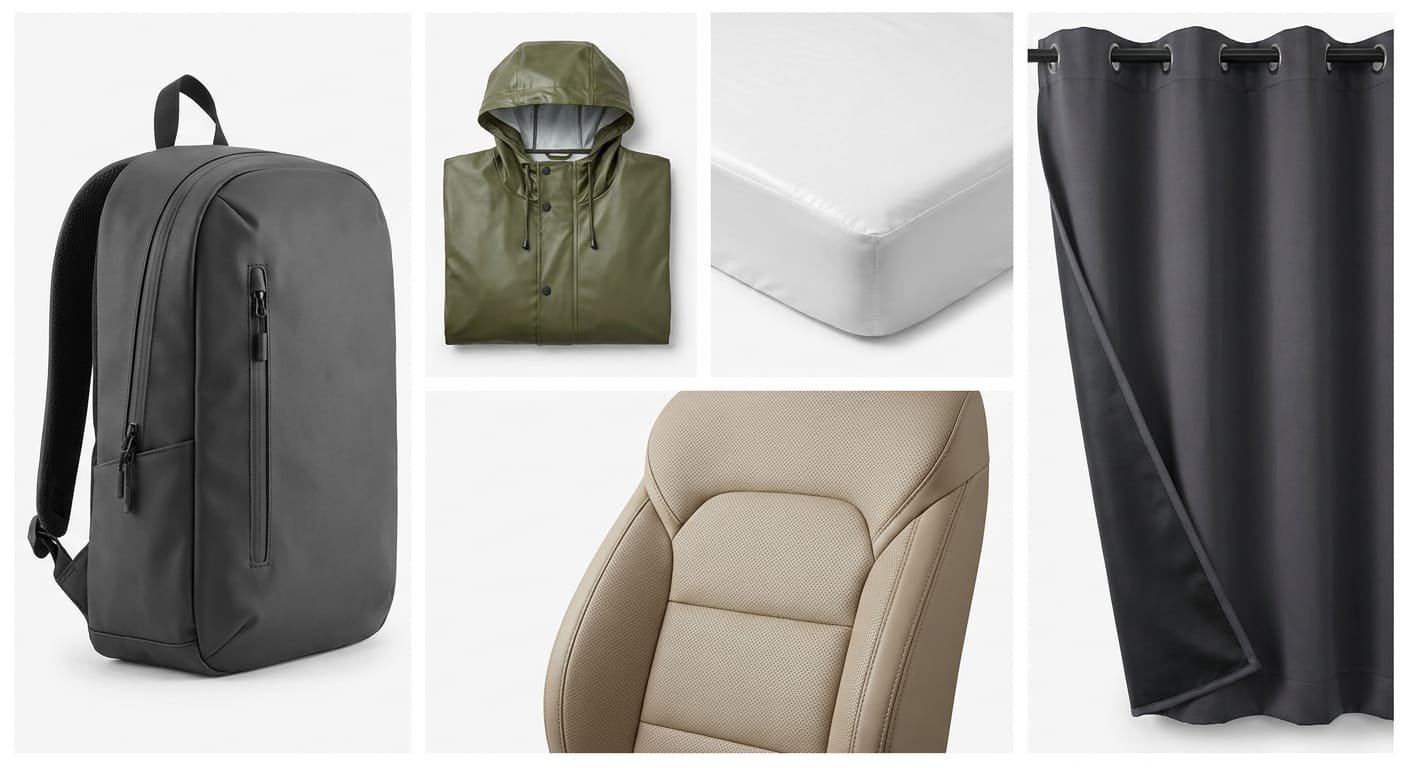
Every day, we help clients navigate this decision. The conversation never starts with "Do you want PU or TPU?" It starts with "What are you making, and what must it do for your customer?" For example, a client developing medical mattress protectors needs a material that is waterproof, breathable, and can withstand repeated hot water washing. This immediately points us toward a polyether-grade TPU film, known for its excellent hydrolysis resistance. Another client making blackout roller shades needs a film with a specific color, 100% light-blocking capability, and certain flame-retardant certifications. For them, our specialized blackout TPU film series is the answer. The application always dictates the material choice.
Here are some common examples from our experience:
| Application | Key Requirements | Most Common Material Choice |
|---|---|---|
| Outdoor Tents/Backpacks | High waterproofness, abrasion resistance, low-temp flexibility. | Polyester TPU Film |
| Medical Mattress Protectors | Washable, waterproof, breathable, hydrolysis resistant. | Polyether TPU Film |
| Blackout Curtains/Shades | 100% opacity, flame retardancy, specific color. | Specialized White or Blackout TPU Film |
| Automotive Interiors | UV stability, abrasion resistance, consistent feel. | Aliphatic TPU Film |
| Fashion Rainwear | Soft hand-feel, waterproof, cost-effective. | PU Coating or Soft TPU Film |
Does Choosing the Cheaper Material Really Save You Money?
Procurement teams are often measured by their ability to reduce unit price. But a low initial price can hide significant downstream costs, turning a "good deal" into a very expensive problem.
Not usually. A cheaper material that fails during lamination or in the hands of the end-user costs far more in waste, delays, and brand damage. The right material reduces processing loss, ensures consistent quality, and prevents costly product returns or compliance failures.12
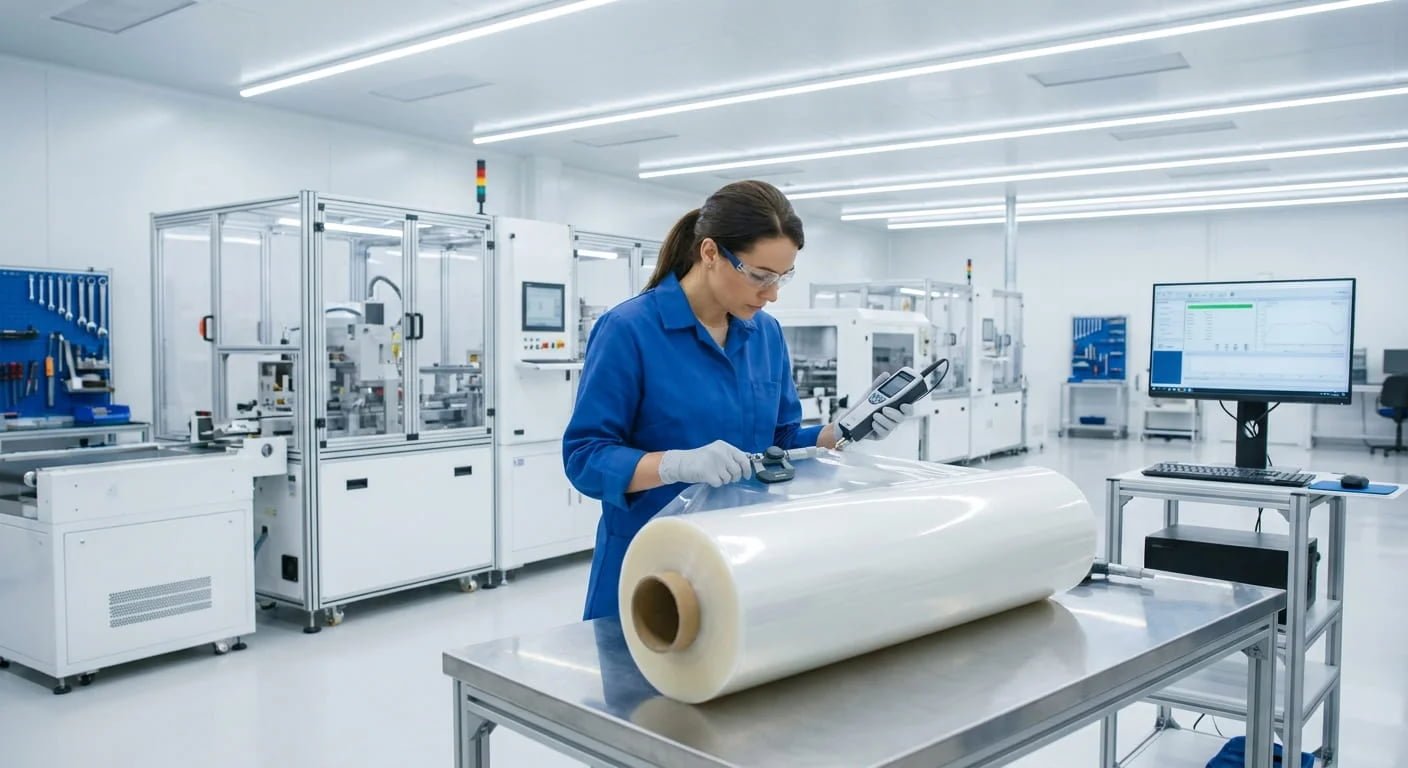
I've seen it happen. A company switches to a cheaper material to save a few cents per meter. Then, during production, their lamination machines can't get a consistent bond because the film thickness is uneven. They end up with a 15% scrap rate, which completely wipes out the initial savings and delays their shipment. In another case, a brand used a material that wasn't hydrolysis-resistant for a product sold in a tropical market. A year later, they were dealing with a wave of warranty claims because the material was breaking down. The total cost of a material isn't just its price on the invoice. It includes the cost of production waste, delayed orders, customer complaints, and compliance risks. As an ISO9001-certified manufacturer, we focus on providing a consistent, reliable material that saves you money by working right the first time.
Conclusion
The choice between PU and TPU is not about finding a "better" material. It's about making a smart decision by matching the right material form and grade to your specific product's needs.
A polymer reference or review can verify that TPU is a thermoplastic elastomer belonging to the polyurethane family. ↩
A materials science source can support the distinction between thermoplastics and thermosets and confirm TPU’s melt-processability. ↩
A neutral technical review can substantiate TPU’s commonly reported mechanical advantages over many thermoset polyurethane systems. ↩
A textile engineering source can confirm that PU coatings are applied to fabric as coating formulations and then cured or dried. ↩
A materials or textile lamination source can verify that polymer films are preformed sheets used separately from liquid coatings. ↩
A textile processing reference can support the claim that films are attached to fabrics through adhesive or thermal lamination. ↩
A polymer handbook, review, or university source can document TPU’s key mechanical properties and low-temperature performance. ↩
A textile coating source can support that PU coatings are used to achieve desired hand feel and can be economical for some applications. ↩
A technical paper or manufacturing reference can verify that TPU films are weldable and widely used where durable seams are required. ↩
A polymer chemistry source can explain why polyether-based TPUs generally resist hydrolysis better than polyester-based TPUs. ↩
Automotive materials references or standards can support that UV exposure and wear resistance are important qualification criteria. ↩
A quality management or manufacturing source can support the link between proper material selection, lower scrap rates, and reduced downstream costs. ↩