
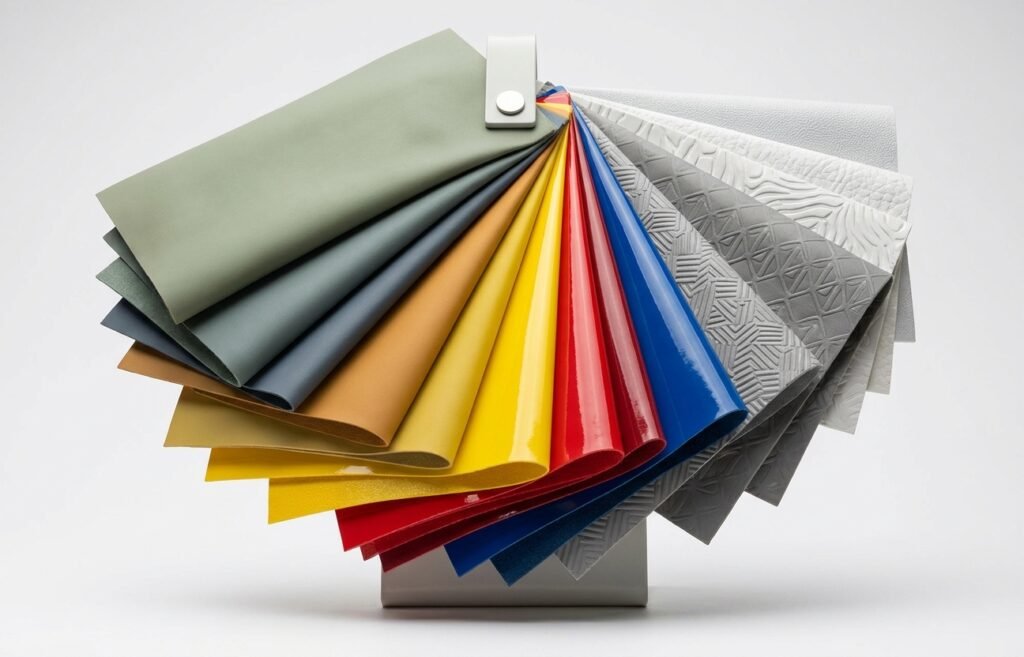
What are TPU films used for?
Choosing the wrong material leads to product failure and costly recalls. It's a common but avoidable problem when specifying functional films for your products.
Thermoplastic Polyurethane (TPU) films are used in countless applications, from medical devices to outdoor gear. The key is selecting the correct formulation—polyester-based for durability or polyether-based for flexibility and hydrolysis resistance1—to match your product's needs and prevent failure.
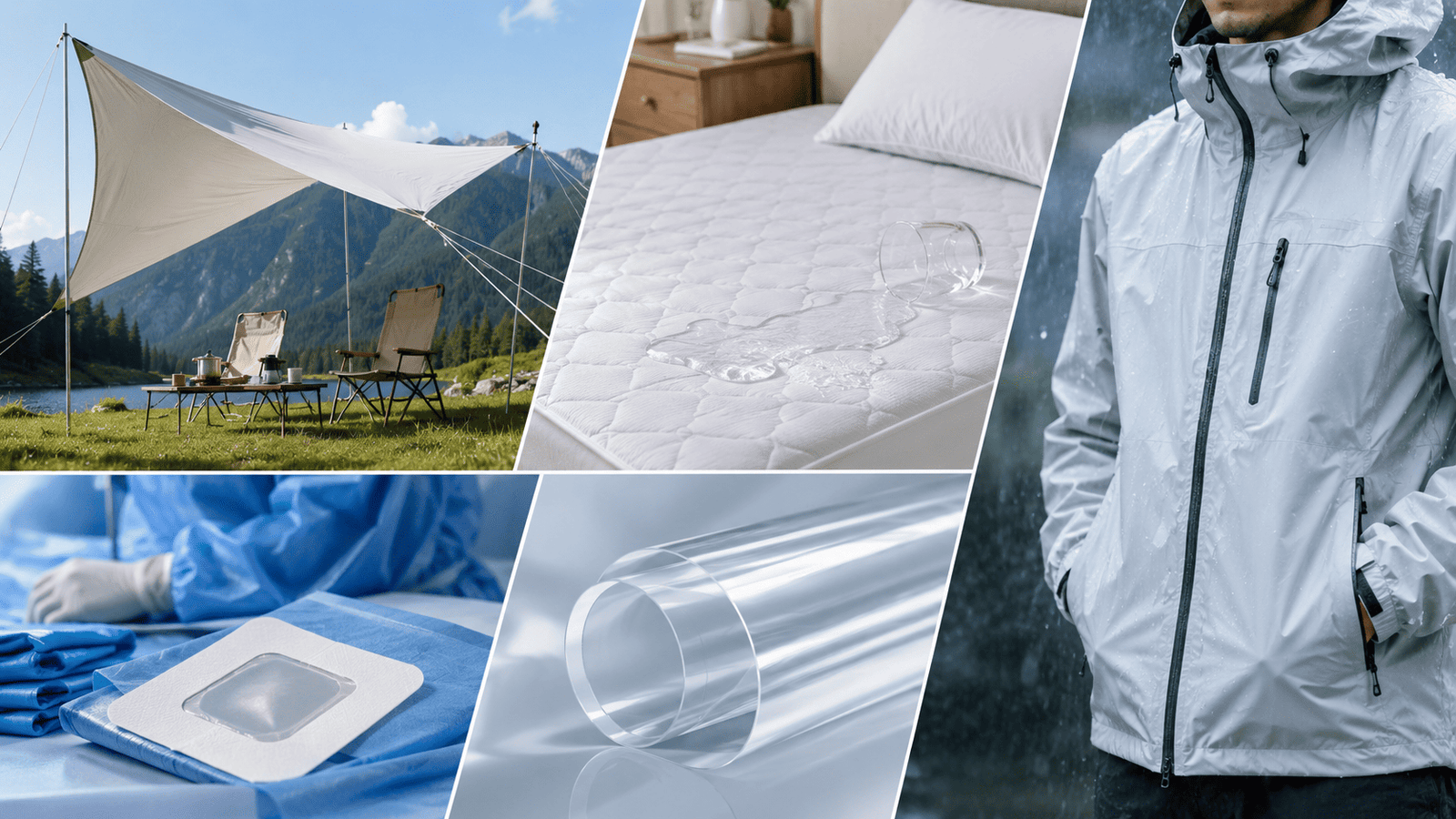
You have likely seen "TPU film" on spec sheets for everything from waterproof jackets to blackout curtains. It is famous for being tough, flexible, and versatile. But this versatility is also a potential trap for procurement managers. Thinking that all "TPU film" is the same is the first and most costly mistake I see people make. The real question is not what it is used for. The right question is which specific TPU you need to prevent problems with your product down the line. Let's explore why this distinction is so important.
How do you choose a TPU film for outdoor products?
Your new outdoor product looks perfect now, but will it turn yellow or crack after one season in the sun? This common failure can destroy your brand's reputation for quality.
For outdoor applications like sun shelters, shades, or tents, you must use a polyester-based TPU film2. It is specifically formulated for UV stability and durability. Using a polyether-based film here is a mistake that causes fast degradation.
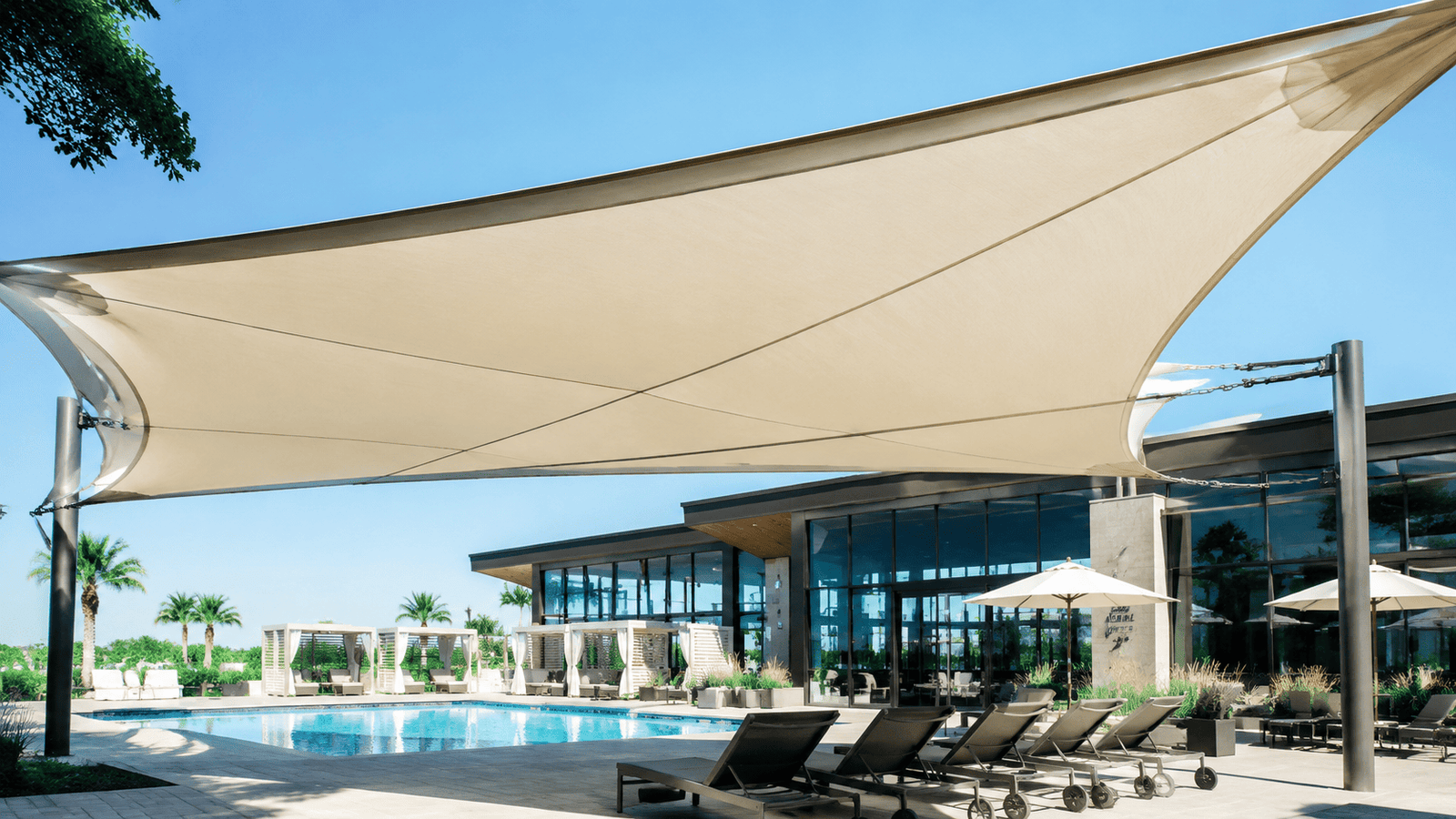
When a customer comes to me for a film to be used in an outdoor product, my first question is always about sun exposure. From my 17 years of experience, this is where the most predictable failures happen. A sun shelter manufacturer once came to us after their entire first batch failed. They had used a standard polyether TPU film because the initial cost was lower. The material yellowed and became brittle in just a few months of real-world use. This is a classic case of material mismatch. We switched them to a UV-stabilized polyester TPU, and the problem was solved completely. This expensive lesson highlights a fundamental principle in material science.
Polyester vs. Polyether: The Critical Choice for Sunlight
The chemical structure of polyester TPU makes it inherently more resistant to degradation from UV radiation. Polyether TPU, while excellent in other areas, will break down quickly when exposed to sunlight, a process called photodegradation3. It loses its flexibility and turns a noticeable yellow color, which makes a product look old and defective. For any product that will spend significant time outdoors, polyester is the only professional choice.
| Property | Polyester TPU | Polyether TPU | Why It Matters for Outdoor Use |
|---|---|---|---|
| UV Resistance | Excellent | Poor | Prevents yellowing and brittleness from sun exposure. |
| Abrasion Resistance4 | Excellent | Good | Withstands wear and tear from wind, sand, and physical contact. |
| Oil/Chemical Resistance | Good | Moderate | Resists breakdown from environmental pollutants. |
| Hydrolysis Resistance | Moderate | Excellent | Less critical unless constantly submerged in water. |
What makes a TPU film safe for skin contact?
You need a waterproof barrier for a mattress protector or a medical gown. But choosing the wrong film can cause skin irritation or material breakdown after just a few washes.
For items that touch the skin, like waterproof mattress protectors or medical supplies, always specify a polyether-based TPU film. It offers superior hydrolysis resistance for washability and is more resistant to microbial growth5. It must also comply with standards like OEKO-TEX6.
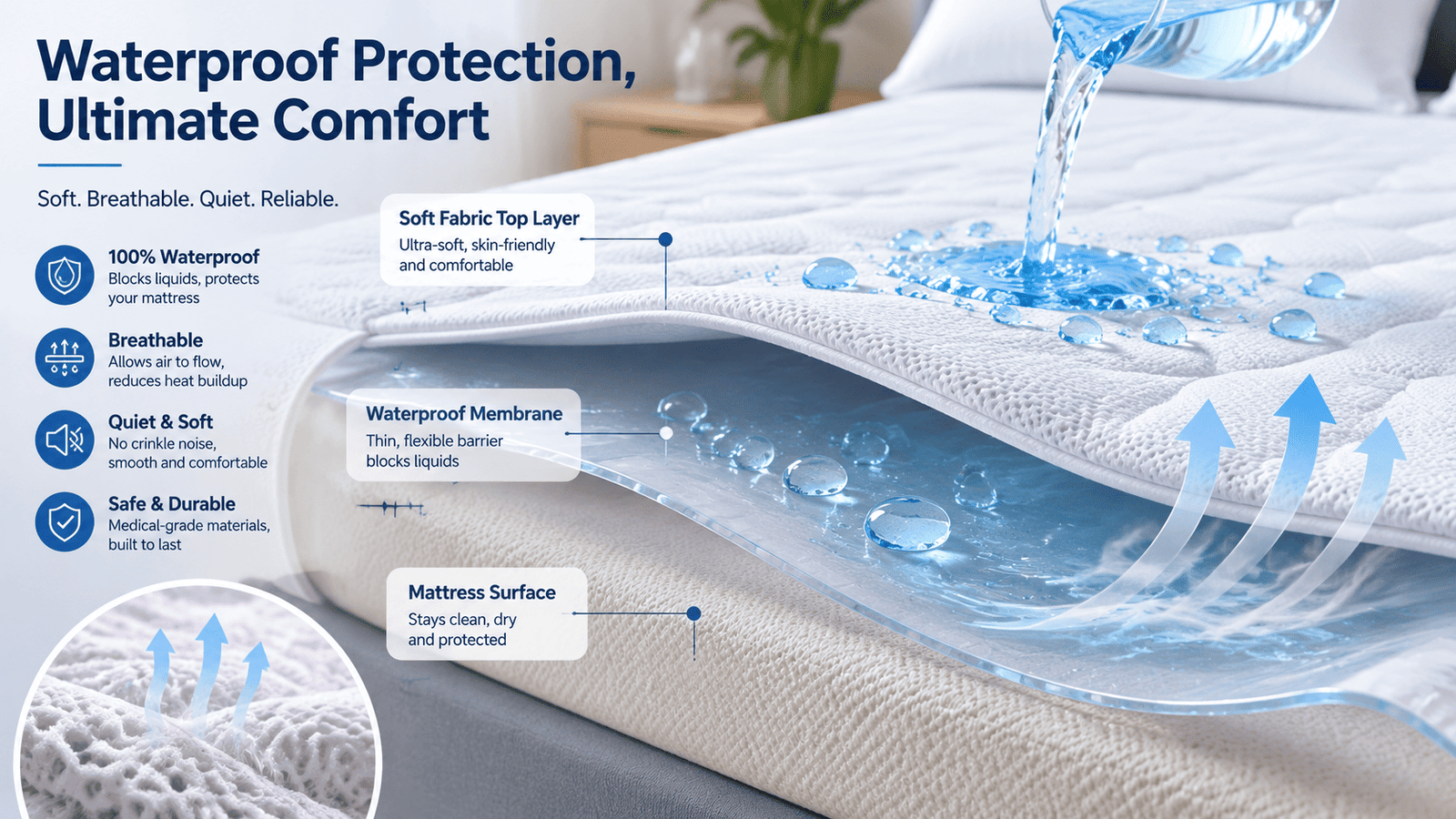
When a client needs a film for a baby's diaper changing pad or a waterproof bed cover, my first question is about washing and moisture. In these applications, the biggest risk isn't sunlight; it's water. This is where polyether TPU shines and polyester TPU fails. Polyester films will break down over time when repeatedly exposed to the moisture and heat of a washing machine. This process is called hydrolysis7, and it causes the film to delaminate from the fabric, crack, and lose its waterproof properties. Polyether TPU, on the other hand, is built to resist this. It maintains its integrity and softness after many wash cycles, ensuring the product lasts and, most importantly, remains safe and functional for the user.
Why Hydrolysis Resistance is Non-Negotiable
For any product that will be washed frequently or is exposed to bodily fluids, hydrolysis resistance is the most important technical property. Beyond performance, safety and compliance are paramount.
- Compliance: The film must be certified to standards like OEKO-TEX STANDARD 100. This guarantees it is free from harmful substances and safe for direct skin contact, even for babies.
- Biocompatibility: Polyether TPU is naturally more resistant to fungus and microbes than polyester8. This makes it a better choice for hygienic and medical applications.
- Feel: Polyether films are often softer and more flexible at similar thicknesses, which is crucial for comfort in products like mattress protectors or medical apparel.
Asking a supplier "Is your film OEKO-TEX certified?" is a good first step. A better question is "Can you provide a polyether-based, OEKO-TEX certified TPU film that guarantees hydrolysis resistance for at least 50 wash cycles?" This shows you understand the true risks of the application.
Which TPU film won't make my fabric feel like plastic?
You are creating a high-performance jacket, but the waterproof film makes it stiff and noisy. This kills the premium feel you are aiming for, making your garment feel cheap.
For apparel, the goal is performance without sacrificing feel. This requires a specific low-temperature, flexible polyether TPU9. You must also consider its lamination properties, ensuring it bonds strongly to your fabric without altering its drape.
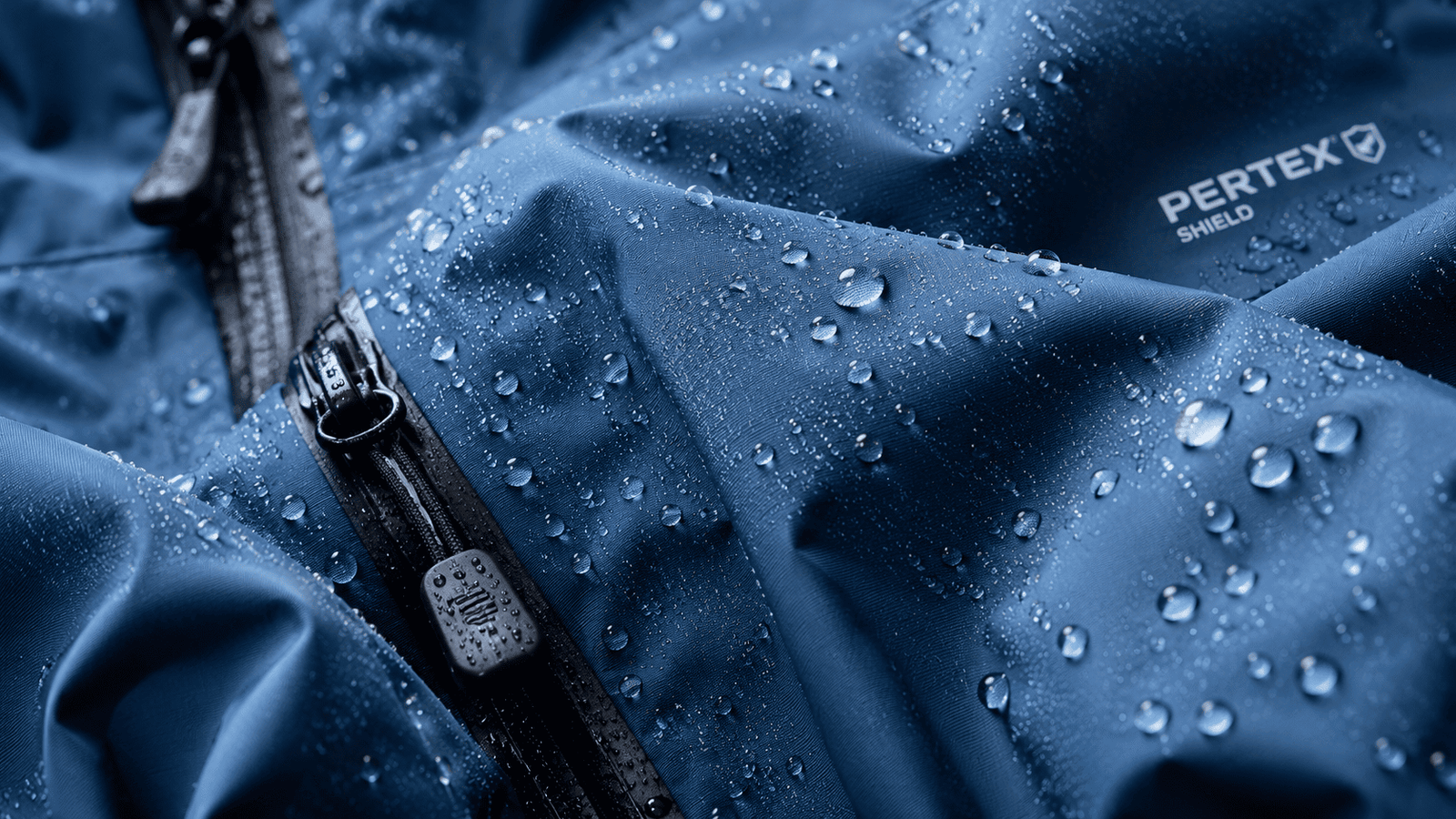
I have worked with many apparel brands, from high-fashion houses to technical outdoor gear companies. The most successful ones obsess over the "hand feel" of their products. They test not just for waterproofness but for "quietness" and "softness." A film that makes a crinkling sound when the person moves is an instant sign of a low-quality garment. The key is to match the film's properties to the fabric. We often customize a formulation to achieve a specific Shore hardness (a measure of softness)10 that complements the base fabric. It is about making the technology invisible to the end user. The customer should feel the soft fabric, not the plastic film underneath.
Balancing Performance with Aesthetics
The wrong TPU choice can ruin the drape and feel of a beautiful textile. Success in apparel lamination requires a focus on more than just waterproof ratings.
| Consideration | What to Ask For | Why It Matters |
|---|---|---|
| Softness & Feel | Low Shore Hardness (e.g., 80A - 85A) | A lower hardness results in a softer, more flexible film that doesn't make the fabric stiff. |
| Quietness | A formulation designed for "soft hand" | Prevents the noisy "crinkle" effect common in lower-quality waterproof garments. |
| Breathability | High Moisture Vapor Transmission Rate (MVTR)11 | Allows sweat to escape, which is critical for comfort in activewear. |
| Cold Performance | Good low-temperature flexibility | Prevents the film from becoming stiff and cracking in cold weather. |
A procurement manager for an apparel brand should not just ask for "a waterproof film." They should specify, "I need a breathable, polyether TPU film with a Shore A hardness of 85 or less12, suitable for lamination onto a lightweight nylon knit." This level of detail ensures you get a material that performs its function without compromising the quality of your final product.
Conclusion
Stop asking what TPU is used for. Instead, ask which specific formulation and properties are critical for your product’s success to avoid costly failures.
"Thermoplastic polyurethane - Wikipedia", https://en.wikipedia.org/wiki/Thermoplastic_polyurethane. A technical comparison of thermoplastic polyurethane types shows that polyester-based TPUs generally offer superior abrasion resistance and durability, while polyether-based TPUs are characterized by their excellent hydrolysis resistance and flexibility, particularly at low temperatures. Evidence role: general_support; source type: paper. Supports: The source should compare the general properties of polyester- and polyether-based TPUs, noting polyester's typical advantages in abrasion resistance and polyether's in hydrolysis resistance and low-temperature flexibility.. ↩
"Photodegradation behavior of different polyurethane - PubMed", https://pubmed.ncbi.nlm.nih.gov/41765574/. Studies on the photodegradation of polyurethanes indicate that polyester-based TPUs, particularly aliphatic types, exhibit greater resistance to UV radiation compared to polyether-based TPUs, which are more prone to yellowing and mechanical property degradation upon prolonged sun exposure. Evidence role: mechanism; source type: research. Supports: The source should explain why polyester-based TPUs are more resistant to UV radiation than polyether-based TPUs.. ↩
"Photodegradation and photostabilization of polymers, especially ...", https://pmc.ncbi.nlm.nih.gov/articles/PMC4320144/. Photodegradation is a chemical process where polymer chains are broken down by energy from photons, typically from ultraviolet (UV) radiation in sunlight, leading to loss of mechanical properties, discoloration, and embrittlement. Evidence role: definition; source type: encyclopedia. Supports: The source should define photodegradation as it applies to polymers.. ↩
"Mechanical Properties of Additively Manufactured Thermoplastic ...", https://pmc.ncbi.nlm.nih.gov/articles/PMC7767280/. Material science comparisons and technical data sheets frequently show that polyester-based TPUs exhibit higher abrasion resistance than polyether-based TPUs, making them suitable for applications involving significant wear and tear. Evidence role: statistic; source type: paper. Supports: The source should provide data or a qualitative comparison showing that polyester TPUs generally have higher abrasion resistance than polyether TPUs.. ↩
"Comparative Evaluation of Polyester and Polyether Polyurethane ...", https://pmc.ncbi.nlm.nih.gov/articles/PMC12392028/. Research indicates that the ether linkages in polyether-based TPUs make them highly resistant to hydrolysis, unlike the ester linkages in polyester TPUs. Furthermore, polyether TPUs demonstrate greater resistance to microbial attack, making them a preferred material for medical and high-moisture applications. Evidence role: general_support; source type: research. Supports: The source should confirm that polyether-based TPUs have better resistance to both hydrolysis and microbial attack compared to polyester-based TPUs.. ↩
"Protective clothing required to prevent skin contact with ... - OSHA", http://www.osha.gov/laws-regs/standardinterpretations/1975-04-15. OEKO-TEX STANDARD 100 is a global, independent testing and certification system for textile products that certifies they are free from a wide range of substances known to be harmful to human health, ensuring safety for direct skin contact. Evidence role: definition; source type: institution. Supports: The source should explain what the OEKO-TEX STANDARD 100 certification is and what it guarantees.. ↩
"Hydrolytic Degradation and Erosion of Polyester Biomaterials - PMC", https://pmc.ncbi.nlm.nih.gov/articles/PMC6350899/. Hydrolysis is a chemical reaction in which a water molecule breaks one or more chemical bonds. In polyester-based polymers, the ester linkages are susceptible to being broken by hydrolysis, especially in the presence of heat or acidic/basic conditions, leading to a reduction in molecular weight and degradation of material properties. Evidence role: definition; source type: paper. Supports: The source should define hydrolysis as a chemical process and explain why polyester-based polymers are susceptible to it.. ↩
"Biocompatibility of Polyurethanes - NCBI - NIH", https://www.ncbi.nlm.nih.gov/books/NBK6422/. Studies comparing the biocompatibility of polyurethane types have shown that polyether-based TPUs are less susceptible to microbial and fungal colonization than polyester-based TPUs, whose ester groups can be targeted by microbial enzymes. Evidence role: case_reference; source type: research. Supports: The source should compare the microbial growth on polyether and polyester TPU surfaces.. ↩
"Polyester vs Polyether based TPU - - Perfectex", https://www.perfectex.com/polyester-vs-polyether-based-tpu/. The molecular structure of polyether-based TPUs typically results in a lower glass transition temperature (Tg) compared to polyester-based TPUs. This allows them to retain their flexibility and resist becoming brittle at colder temperatures, a critical property for outdoor apparel. Evidence role: mechanism; source type: education. Supports: The source should explain the difference in low-temperature performance between polyether and polyester TPUs, often related to their glass transition temperatures.. ↩
"Shore durometer - Wikipedia", https://en.wikipedia.org/wiki/Shore_durometer. The Shore durometer is a standardized method for measuring the indentation hardness of materials, particularly polymers, elastomers, and rubbers. The Shore A scale is commonly used for flexible plastics like TPU, where a lower number indicates a softer, more flexible material. Evidence role: definition; source type: institution. Supports: The source should define the Shore hardness scale and its purpose.. ↩
"Moisture vapor transmission rate - Wikipedia", https://en.wikipedia.org/wiki/Moisture_vapor_transmission_rate. Moisture Vapor Transmission Rate (MVTR) is a measure of the rate at which water vapor can pass through a material, typically expressed in grams of water vapor per square meter of fabric per 24-hour period. A higher MVTR indicates greater breathability, which is crucial for comfort in activewear by allowing perspiration to escape. Evidence role: definition; source type: institution. Supports: The source should define MVTR and explain how it relates to fabric breathability.. ↩
"TPU Shore Hardness Explained: Choosing 85A vs 95A - Siraya Tech", https://siraya.tech/blogs/news/tpu-shore-hardness?srsltid=AfmBOopYF3ZZ1gdaNRBk5vT8U8LDlZ7A9GVW36cnhj3JUQWHTGGTVu4S. Technical data sheets for thermoplastic polyurethanes show a wide range of available hardnesses. Grades intended for soft-touch applications like apparel films are typically found in the 70A to 90A range on the Shore durometer scale, with values around 85A representing a common balance of softness and durability. Evidence role: general_support; source type: other. Supports: The source should provide context for Shore A hardness values, showing that values in the 80A-85A range are considered soft for TPU.. Scope note: The ideal hardness is application-specific, but the source can confirm that 85A is a typical value for a soft, flexible TPU. ↩